- The agency targeted deceptive practices in auto financing, taking enforcement actions against companies allegedly using misleading tactics


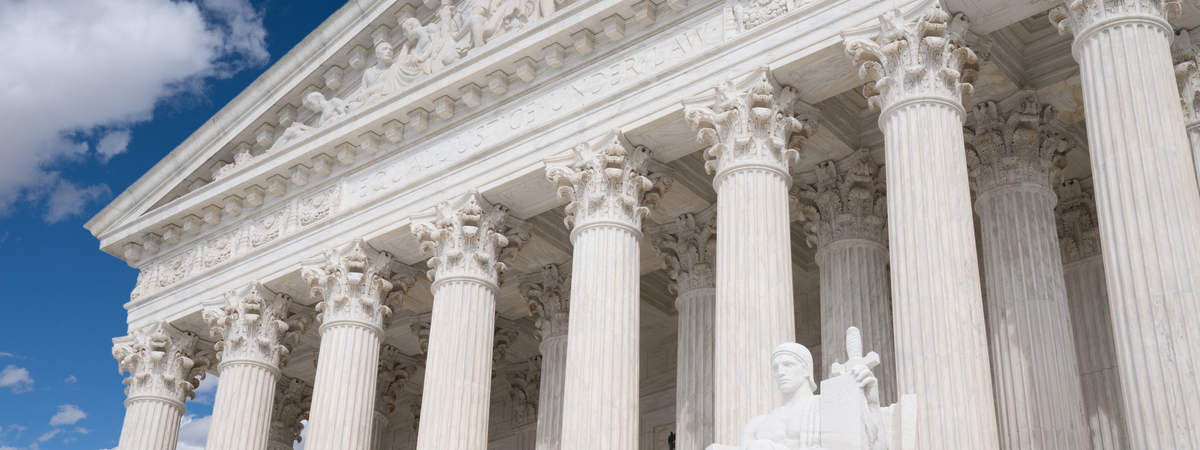
On May 16, 2024, the U.S. Supreme Court held 7-2 in Consumer Financial Protection Bureau v. Community Financial Services Association of America (CFSA) (Docket No. 22-448) that the CFPB’s funding structure is constitutional. With the Court’s decision, uncertainty over the CFPB’s rulemaking authority tied to the constitutionality of the CFPB’s funding has been removed, clearing

On April 4, 2024, the CFPB issued a report titled “Banking in Video Games and Virtual Worlds” that examines the financial and privacy risks to consumers in online video gaming marketplaces.
The CFPB’s report explains that gaming platforms facilitate the storage and exchange of valuable assets while collecting large amounts of data from their users.

On April 16, 2024, the CFPB issued a revised rule aimed at streamlining its procedures for designating nonbank covered entities for supervision. The CFPB said the revised procedures “reflect changes to the CFPB’s organizational structure,” but also noted that the revised procedures would lead to a “reduction in time and general streamlining of the decisional

On March 13, at the Financial Data Exchange Global Summit, CFPB Director Rohit Chopra delivered a keynote address that focused on “the role of standard setters and standard-setting” as the CFPB pushes towards finalizing is its proposed Personal Financial Data Rights Rule.
Continue Reading Setting the Standard: CFPB to Codify Attributes for Standard-Setters Before Finalizing Personal Financial Data Rights Rule

On March 5, 2024, the Consumer Financial Protection Bureau (CFPB) finalized a rule intended to limit late payment fees on credit cards issued by the largest credit card issuers. The final rule amends Regulation Z, reducing safe harbor late fee amounts for large card issuers from $30 to $8 and eliminating automatic annual inflation adjustments.

On Oct. 26, 2023, the U.S. District Court for the Southern District of Texas issued a nationwide injunction prohibiting the Consumer Financial Protection Bureau (CFPB) from implementing or enforcing its Small Business Lending Rule, which was crafted to implement Section 1071 of the Dodd-Frank Wall Street Reform and Consumer Protection Act.

On Oct. 19, 2023, the CFPB released a proposed rule that, if finalized in its present form, would require covered financial institutions to provide consumers and authorized third parties with access and portability options for their financial data. The CFPB’s proposed rule, called the “Personal Financial Data Rights” rule, would implement Section 1033 of Title

On Oct. 7, 2023, California Governor Gavin Newsom signed SB 478 into law. When it becomes effective July 1, 2024, the law will amend the CLRA to generally ban so-called “junk fees.”
California’s effort sits along the Biden administration’s focus on “junk fees,” which multiple federal agencies have now addressed via various advisory opinions, guidance

On Oct. 11, 2023, the FTC released a proposed rule that would, if finalized in its present form, prohibit “misleading” fees and require more prominent disclosures for so-called “junk fees.” The FTC’s proposed rule, called the “Rule on Unfair and Deceptive Fees,” would broadly prohibit businesses subject to FTC jurisdiction from mispresenting the nature and